
Field guide
Heading to a Remote Site? A Pack List So You Don't Run Short
17 Nov 2026 · By Jeremy Melhop
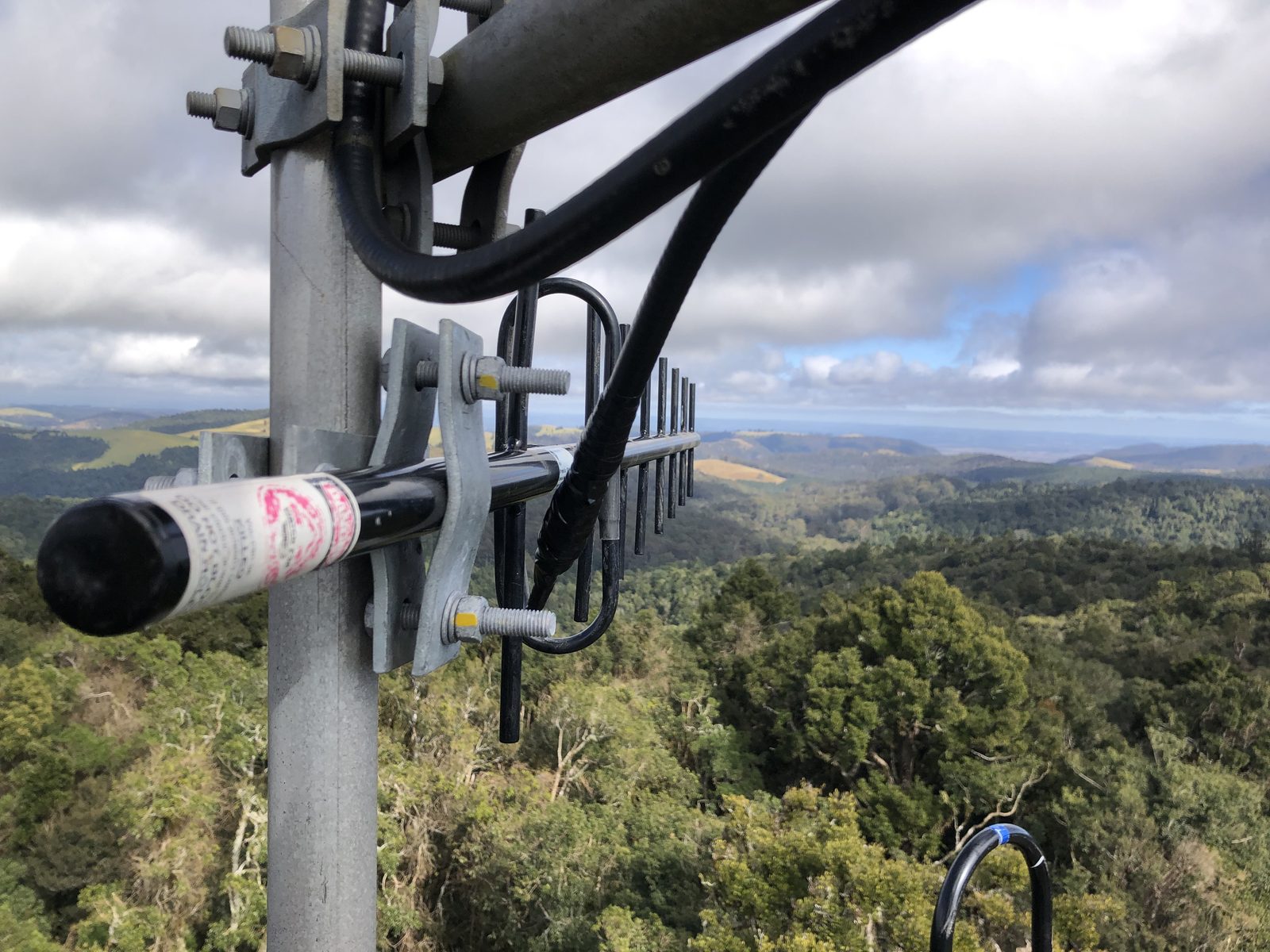
On a metro job, running short of a connector or a handful of ties costs you a trip to the supplier. On a remote site in WA or the NT it can cost you days, a second mobilisation and an unhappy client. Most of the time it is not the big items that stop a job. It is the small parts: one more earth kit, a connector that got damaged, a bag of ties that turned out to be duds. This is a general pack list for riggers and installers heading out to remote sites. Always build your list from the site design and scope of works, and follow the carrier or asset owner's standards and the equipment maker's instructions.
1. Start from the design, then add spares
Go through the design and the bill of materials line by line and count what the job actually needs: runs, terminations, earth points, clamps and fixings. Then add spares on top. A common approach is to carry extra of anything that is cheap, small and easy to damage, and at least one spare of anything you cannot finish the job without. Check the list against what is already on site if someone has been there before you.
2. Earthing
Earth kits are one of the most common items crews run short of, because every run needs them and a fitting that goes on badly usually cannot be reused. Count the earth points on the design and carry spares of each size.
- Feeder earth kits in the feeder sizes on your job
- Cat6 earth kits for shielded or armoured data runs
- Tinned copper lugs to suit your earth leads
- Earth cable if leads need extending
If you are earthing shielded Cat6, our earthing checklist goes through the steps.
3. RF connectors, jumpers and passives
A connector fitted badly, dropped in the dirt or damaged in the cut has to be replaced, so spare connectors are cheap insurance. Carry spares in each connector type and cable size on the design.
- RF connectors in the right interface and cable size (N-type, 4.3-10, 7/16 DIN)
- RF jumpers in the lengths you are likely to need
- Coax surge arresters and power splitters if they are in the design
4. Clamps, ties and fixings
Running out of clamps or ties halfway up a run is frustrating, and so is a bag of stainless ties where the strap will not lock. Carry more than you think you need, and check a few from each bag before you leave.
- Triple feeder clamps in your feeder sizes
- Feeder clips and hangers
- Stainless steel ties and UV-stable nylon ties
- Cable glands and gland windows for entry points
5. Weatherproofing
Every outdoor connection and earth kit needs weatherproofing, and it is easy to underestimate how much tape and mastic a job goes through. Carry enough for every joint on the design, plus extra for redoing anything that does not pass inspection.
- Mastic
- Heat shrink
- Good quality electrical tape
6. Data and power
Patch leads, SFPs and DC cable often come from a different part of the order to the RF gear, which is how they get missed. Check you have the right Cat6 patch leads, fibre patch leads, SFPs and DC power cable for the equipment being installed.
7. Pack it so it survives the trip
Remote freight is rough on small parts. Keep connectors in sealed bags so they stay clean and dry, keep sizes labelled and separated, and pack it all in a tub you can carry up to the work area. A printed copy of your list in the lid makes it quick to check what has been used.
If you do run short
Order early wherever you can. Our standard delivery reaches sites, depots and addresses anywhere in Australia in up to 9 days, and the 5-day express is $400 flat per order. If the job is already underway and you are stuck, our super express service is for in-stock items: we put the gear in our checked luggage, fly to the nearest airport and drive it to your site, at a fixed price by zone. Current stock includes feeder and Cat6 earth kits, RF connectors, triple feeder clamps, surge arresters and splitters. See delivery for what is in stock now.
Planning a remote job? Send us your list and site details through the quote form or call 0422 999 583, and we will come back with a price and the fastest way to get it there.
Short on gear for a job?
Send your list and site details. We come back with price and freight, fast.